JGA Caribbean | Risk Intelligence
Insurance & Risk Markets
J. Arthur Gipson
A commercial property can be well built, professionally managed, financially successful—and still be difficult to insure.
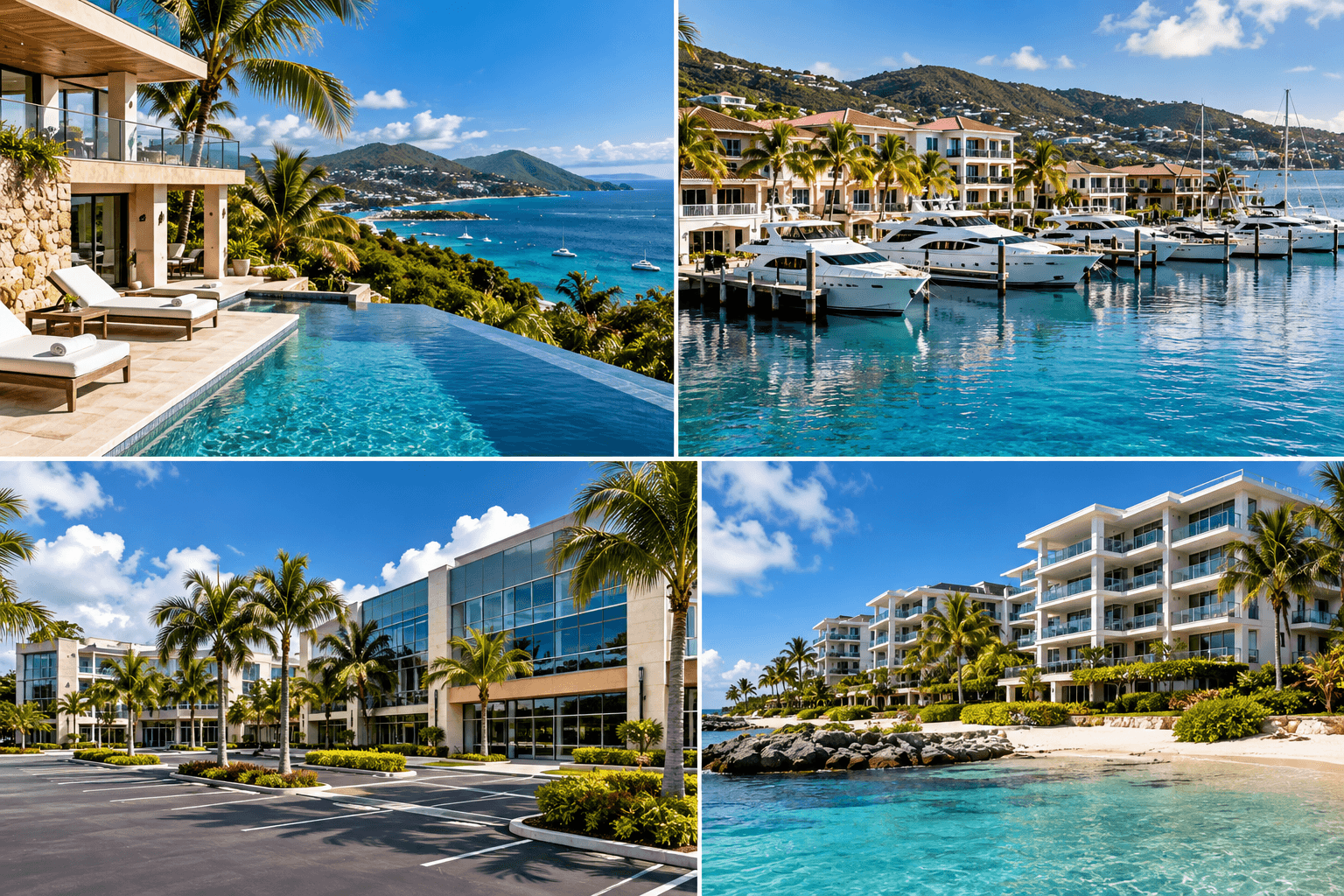
A commercial property can be well built, professionally managed, financially successful—and still be difficult to insure.
That is particularly true in the Caribbean. Insurance availability is influenced by much more than the value of a building. Location, catastrophe exposure, construction, replacement cost, business operations and the amount of insurance capacity already concentrated in an area can all affect how insurers view a property.
For owners and investors, understanding these factors before approaching the insurance market can make a significant difference.
Why Is Caribbean Property Different?
The type of property matters as well. A hotel, marina, condominium development, warehouse and office complex may occupy commercial real estate, but their exposures can be very different.
The location tells an insurer where the property is. It does not tell the insurer everything about the risk.
Catastrophe Exposure Changes the Equation
Hurricanes are an obvious concern, but insurers must consider more than the potential damage to one building.
A major hurricane can affect hundreds or thousands of insured properties during the same event. Insurers therefore evaluate both the individual property and their total concentration of exposure within that location.
Market conditions can also change after major catastrophes. Capacity may tighten, premiums can increase, and deductibles or coverage terms may change even though the property itself has not.
The Property Still Matters
Geography is only part of the risk.
Construction, building age, roof condition, hurricane protection, maintenance, renovations, fire protection and other physical characteristics can influence how insurers evaluate a property. Coastal and waterfront properties may face additional concerns involving wind, storm surge, flood and damage to surrounding infrastructure.
This creates an important Caribbean investment reality:
Some of the characteristics that make a property commercially attractive can also make it more challenging to insure.
Valuation Can Become a Hidden Problem
Market value and replacement cost are not the same thing.
A property’s market value reflects what someone may pay to acquire it. Insurance must also consider what it could cost to reconstruct the property after a major loss.
In the Caribbean, rebuilding costs may be affected by imported materials, transportation, labor availability, inflation and increased demand following a catastrophe. After a major hurricane, many property owners may be competing for the same contractors and materials.
An outdated valuation can therefore create significant underinsurance.
The better question is not simply:
“What is this property worth?”
It is:
“What would it realistically cost to rebuild this property today?”
A Property Loss Can Become a Business Loss
For a commercial property owner, physical damage may be only the beginning.
A hotel unable to receive guests, a marina unable to accommodate vessels, or a commercial facility unable to operate can continue losing revenue while repairs are underway. Electricity, water, telecommunications, roads, airports and other infrastructure can further delay recovery.
This makes business interruption an important part of Caribbean property risk.
The exposure is not only how much damage a hurricane can cause. It is also how long the business could remain disrupted afterward.
When One Insurance Market Is Not Enough
Large or catastrophe-exposed properties may require more capacity than a single insurer wants to provide. That does not necessarily mean the property is a poor risk.
The objective should not be to move every Caribbean property to an international market.
The risk should determine the market—not the other way around.
Making the Risk Easier to Understand
One of the most practical things an owner can do is provide insurers with a clear picture of the property.
Current valuations, construction information, photographs, documented improvements, catastrophe protections, loss history and business-continuity information can help distinguish an individual property from the general assumptions associated with its location.
Better information does not eliminate hurricane exposure or guarantee better insurance terms. It does reduce unnecessary uncertainty.
There is an important difference between a difficult risk and a risk that is difficult to understand.
The Risk Comes First
For owners and investors, the better starting question is therefore not:
“Where can I buy the insurance?”
It is:
“What exactly is the risk, and how will the insurance market see it?”
Understanding that question first creates a stronger foundation for determining what insurance structure and market may be appropriate.
Insurance Solutions
Discuss Your Risk