JGA Caribbean | Risk Intelligence
Catastrophe & Resilience
JGA Caribbean
Some of the most consequential property risks are the ones you cannot see. Termite activity can remain concealed long enough for a property owner or prospective purchaser to overlook a developing problem.
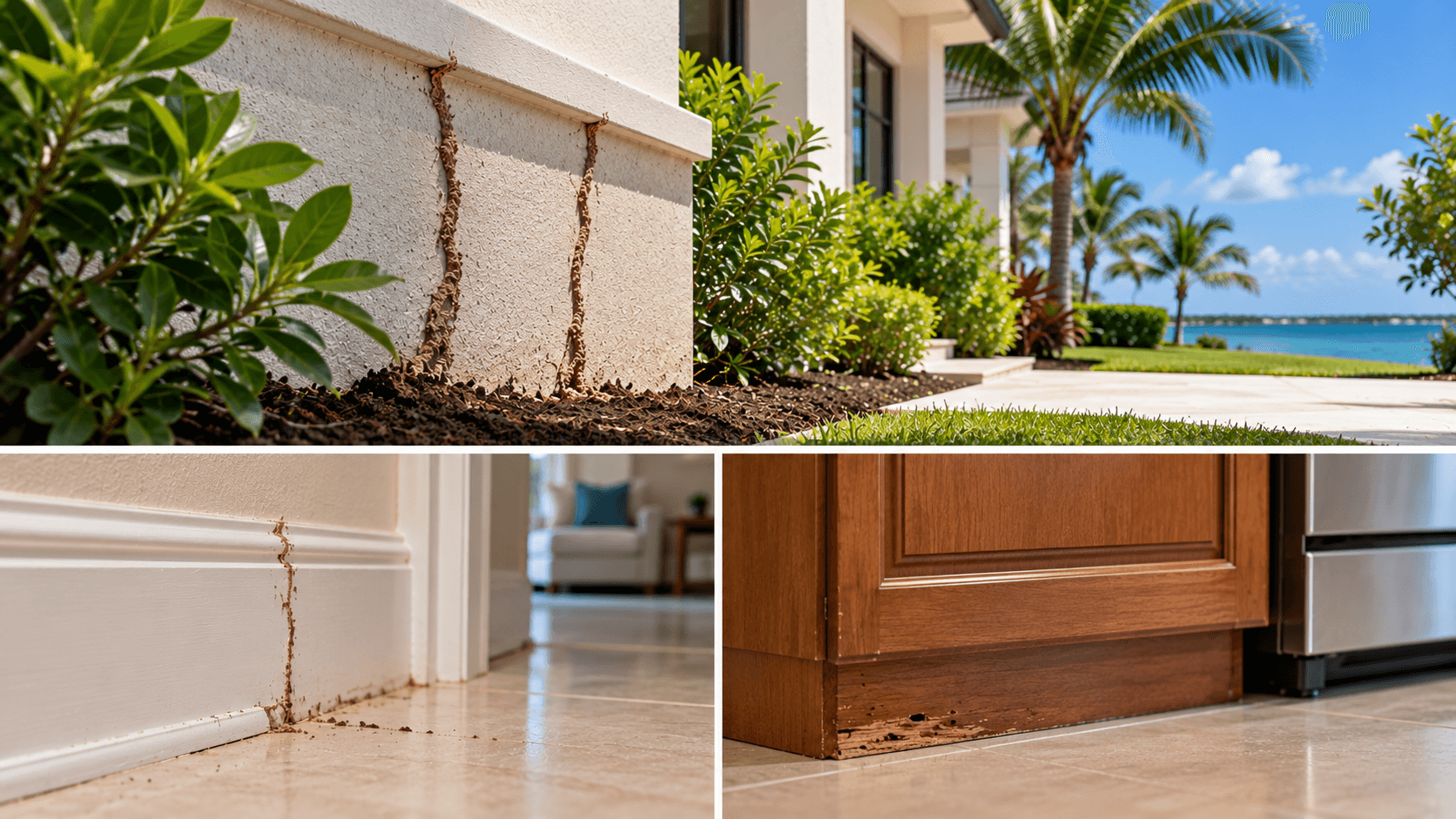
Some of the most consequential property risks are the ones you cannot see. Hurricanes, floods and fires command attention because their consequences are immediate and visible. Termite activity is different. It can develop quietly through soil and concealed areas of a building before a property owner recognizes that a problem exists.
That makes termites more than a pest-control issue. They illustrate an important principle of property risk management: a building can look attractive, well maintained and structurally substantial while conditions that deserve professional examination remain concealed. For owners, developers and prospective purchasers in the Caribbean, the absence of an obvious problem should not automatically be interpreted as the absence of risk.
PREVENTION SHOULD BEGIN BEFORE CONSTRUCTION ENDS
For new construction, termite exposure should be considered while the building is being planned and constructed rather than only after evidence of infestation appears. Depending on the property, construction method, location and professional recommendation, preventive strategies may include pre-construction treatment, physical barriers, treated materials or other measures intended to reduce termite access.
The construction stage creates an important opportunity because foundations, slabs and other areas may be accessible before the building is completed but considerably more difficult to address afterward. The appropriate strategy should be determined by qualified professionals familiar with local termite conditions, construction practices and applicable requirements. The important question is:
WHAT TERMITE-PREVENTION STRATEGY WAS INCORPORATED INTO THE PROPERTY BEFORE CONSTRUCTION MADE VULNERABLE AREAS DIFFICULT TO ACCESS?
That question can become particularly important years later when the property is sold and a prospective purchaser has no firsthand knowledge of how the building was originally protected.
INSPECTION SHOULD BE PART OF PROPERTY DUE DILIGENCE
Purchasing an existing property presents a different challenge. Much of the building is already concealed behind finished walls, flooring, cabinetry, moldings and other materials. A purchaser may know little about previous termite activity, treatment history or the condition of inaccessible areas.
Minor deterioration around baseboards, moldings, door frames, cabinetry or other woodwork can easily be dismissed as ordinary wear. Such conditions do not prove termite activity; moisture, age, construction defects and other causes may produce similar deterioration. Their significance is that they may justify closer examination rather than assumption. This changes the property-purchase question from simply evaluating what can be seen to considering what may not be visible:
WHAT AM I UNABLE TO SEE BEFORE I BUY THIS PROPERTY?
Where termite exposure is relevant, an appropriately qualified pest-management inspection can become part of broader property due diligence. The purpose is not merely to look for insects. It is to identify evidence of activity, accessible damage and conditions that may warrant further investigation or treatment before the purchaser assumes ownership.
TREATMENT DOES NOT END THE RESPONSIBILITY
Termite protection should not be viewed as a one-time event that permanently eliminates the exposure. Buildings and their surroundings change. Moisture conditions can develop, landscaping can alter conditions around foundations, additions can be constructed, and maintenance practices can change over time.
Continuing inspection therefore matters even when preventive measures were incorporated during construction or treatment occurred previously. The appropriate inspection and treatment schedule should be determined with a qualified professional familiar with the particular property and local conditions.
This is the distinction between treatment and risk management. Treatment addresses an identified exposure or establishes a protective measure. Risk management continues to ask whether the exposure has changed and whether the protection remains appropriate.
THE RISK YOU CANNOT SEE STILL BELONGS TO YOU
Property owners should also avoid assuming that insurance will correct the problem if termite-related damage is eventually discovered. Coverage varies by insurer, policy and jurisdiction and must be determined from the actual contract. Insurance should not substitute for appropriate inspection, maintenance and preventive property management.
The broader lesson extends beyond termites. Visible risks naturally attract attention, while concealed conditions can create a false sense of security. For new construction, the opportunity is prevention. For a property being acquired, it is inspection and due diligence. For an existing owner, it is continued attention to conditions that may otherwise remain unnoticed. A risk does not have to be visible to be developing. Understanding the asset therefore requires looking beyond its appearance and asking what conditions may exist beneath the surface.
At JGA Caribbean, that is where effective property risk management begins: understand the exposure, determine what can be prevented or reduced, and then consider which remaining financial risks should be transferred through insurance.
THE RISK COMES FIRST. THE MARKET COMES NEXT.
RISK INTELLIGENCE NOTE
This article is provided for general educational and risk-management purposes. Termite conditions, prevention methods, treatment requirements and appropriate inspection frequency vary by property, construction type, location and jurisdiction. References to pre-construction treatment, physical barriers or other preventive measures do not represent a universal Caribbean building or regulatory requirement. Property owners, developers and purchasers should consult appropriately qualified local pest-management, construction, inspection and other professionals where necessary. Insurance coverage is governed by the actual policy terms, conditions, limits and exclusions.
Risk Management
Discuss Your Risk